
Sober Living Homes in Las Cruces, NM
Sober living homes in Las Cruces give you a safe, substance-free place to rebuild daily routines after detox or rehab — with house rules, peer accountability and a recovery-minded community. As a border city just minutes from El Paso, Las Cruces offers affordable transitional housing options, and many homes work with residents covered by New Mexico Medicaid (Centennial Care) for ongoing treatment services.
Need Help Finding the Right Treatment Center?
Speak with a compassionate specialist now - 100% free & confidential
Showing 1 of 1 results
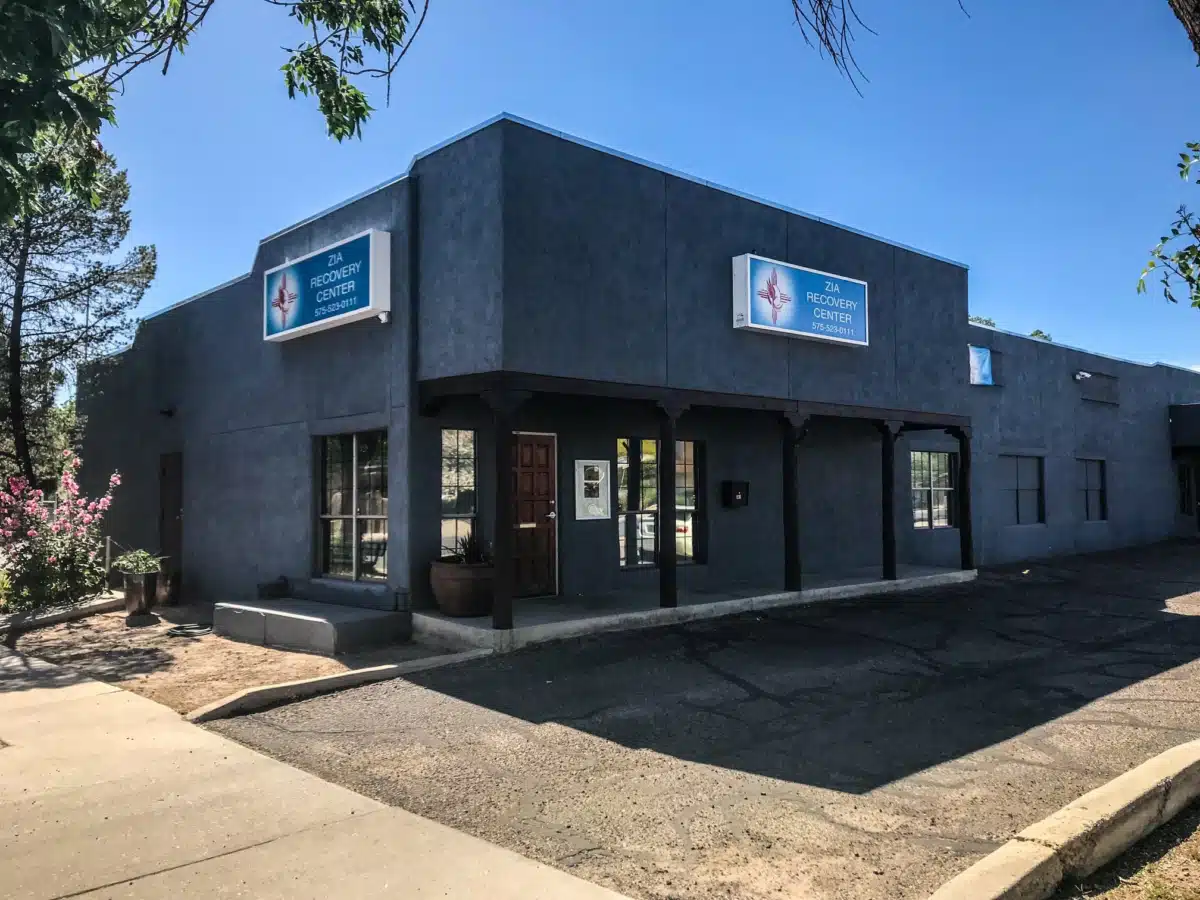
Zia Recovery Center
Sober Living in Las Cruces: Recovery Housing on the Border
Finishing detox or rehab is a milestone, but going straight back to an environment full of old triggers is where many recoveries unravel. Sober living homes in Las Cruces bridge that gap: shared, substance-free residences where you practice sober daily life with structure and peer accountability. Las Cruces adds a few practical advantages — a lower cost of living than most New Mexico cities, a tight-knit recovery community, and immediate access to the larger treatment and employment market of El Paso, just across the Texas line forty-five minutes south.
What Sober Living Actually Is
A sober living home is not a treatment program — no one delivers therapy in the living room — but a recovery-oriented household. Residents rent a bed in a shared house, follow community rules, submit to drug testing and support each other's sobriety. You work, study or attend outpatient treatment during the day and come home to an environment where everyone is pursuing the same goal. Some people searching for a halfway house in Las Cruces end up here: modern recovery residences offer similar structure with more flexibility and less institutional feel.
What to Expect Day to Day
Daily life is deliberately ordinary — that is the point. Mornings start with chores and a schedule, evenings often include 12-step or SMART Recovery meetings in town, and weekly house meetings handle everything from chores to conflicts. Curfews are standard, especially for newer residents, and random drug and alcohol testing keeps everyone honest. House managers, usually people in long-term recovery themselves, enforce the rules and act as informal mentors. Over time, residents earn privileges like later curfews and overnight passes.
Cost and Insurance in Las Cruces
Affordability is one of the strongest arguments for sober living in Las Cruces. Monthly fees for a shared room typically run a few hundred dollars — noticeably below Albuquerque or Santa Fe — and usually cover utilities, furnishings and house supplies. Rent is generally self-pay, but the clinical services you attend while living there are another matter: New Mexico Medicaid (Centennial Care), Medicare and private insurance commonly pay for IOP, counseling and medication management. Ask each home about sliding scales, work-trade arrangements or scholarship beds if money is tight.
Sober Living Near the Border: Local Considerations
Las Cruces's position next to El Paso shapes its recovery housing landscape. Residents can tap into a much larger job market, dozens of daily support meetings and major hospitals on both sides of the state line, while living somewhere quieter and cheaper than a big metro. Doña Ana County also has specialty courts and reentry programs that actively refer people into structured recovery housing, so some homes here are experienced with residents on probation or parole. If proximity to the border or old using environments concerns you, raise it during the admission interview — house placement within the city can matter.
How to Choose a Sober Living Home in Las Cruces
Visit before you commit if at all possible, and ask concrete questions: What are the house rules, and how are violations handled? How often is drug testing done? Is there a live-in manager, and what is their recovery experience? Look for homes certified to recognized standards such as NARR or affiliated with local treatment providers, and be wary of any residence that cannot explain its fees or rules in writing. Finally, choose a house whose culture fits you — gender-specific, faith-based or clinical-program-linked homes all exist — because you will be living with these people through a vulnerable stretch of your recovery.