
Inpatient Rehab in Albuquerque, NM
Inpatient rehab in Albuquerque gives you a structured, substance-free place to live while you recover — typically 28 to 90 days of 24/7 care, daily therapy and medical support. Residential treatment centers across the city accept New Mexico Medicaid (Centennial Care), Medicare and private insurance, and many can arrange admission within days of your first call.
Need Help Finding the Right Treatment Center?
Speak with a compassionate specialist now - 100% free & confidential
Showing 7 of 7 results
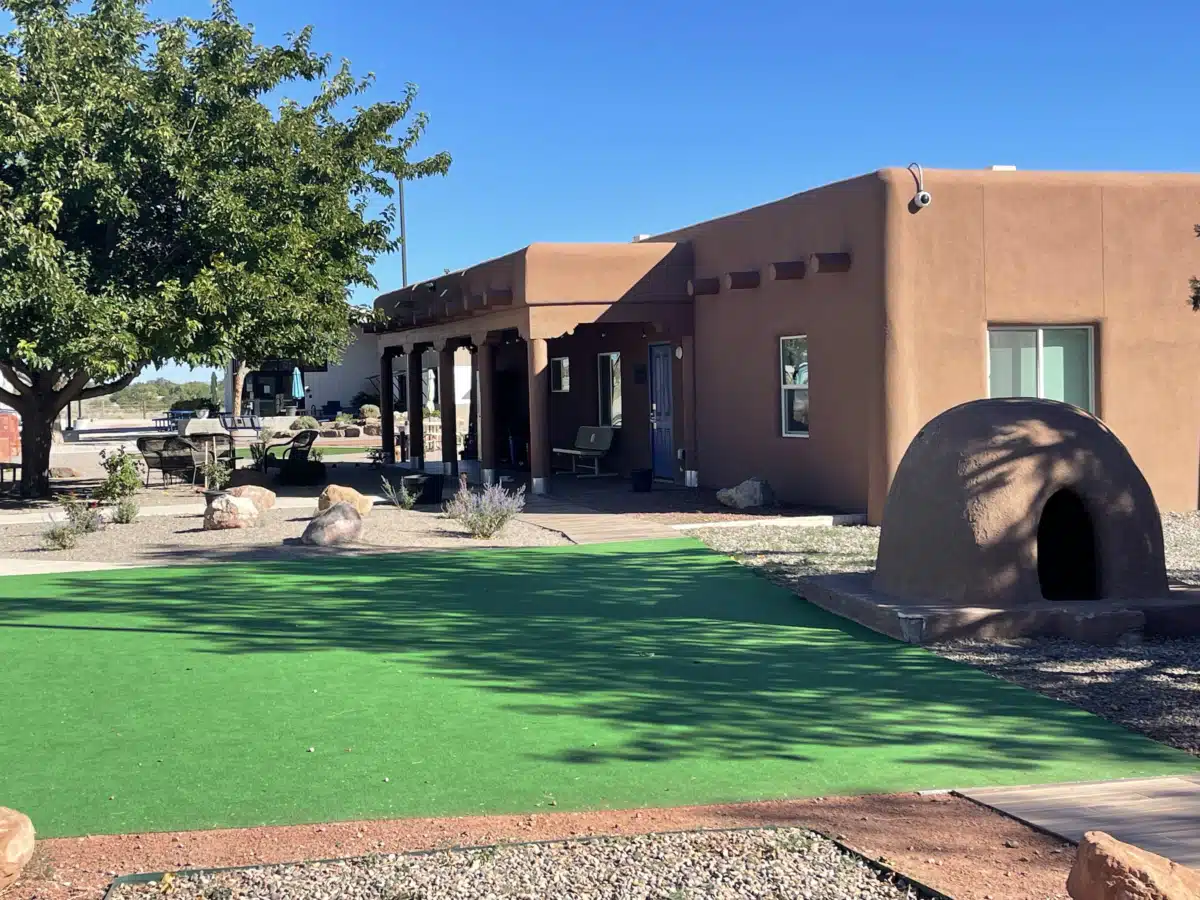
Healing Addiction in Our Community
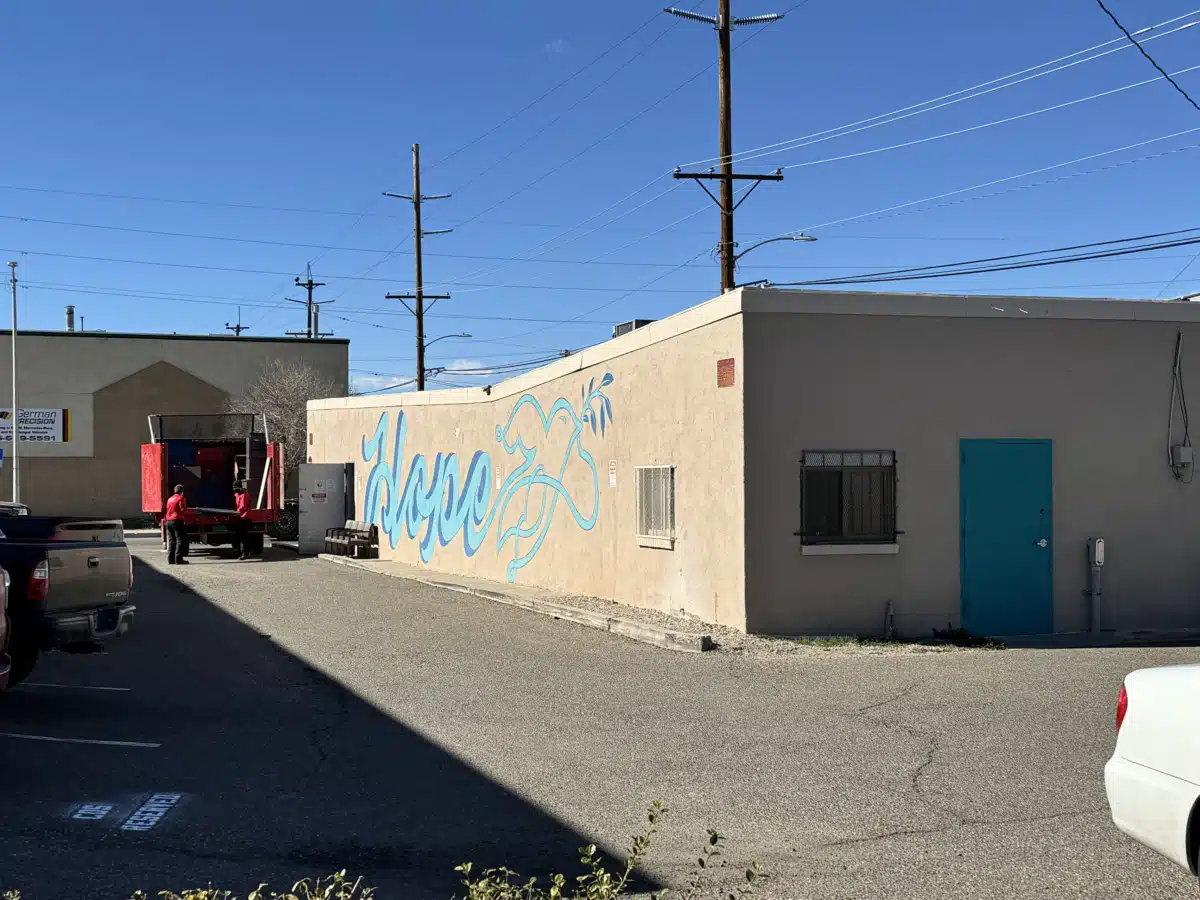
HopeWorks
Turning Point Detox — 9808 Claremont Avenue NE, Albuquerque, NM
Turning Point Detox — 2004 Valencia Drive NE, Albuquerque, NM
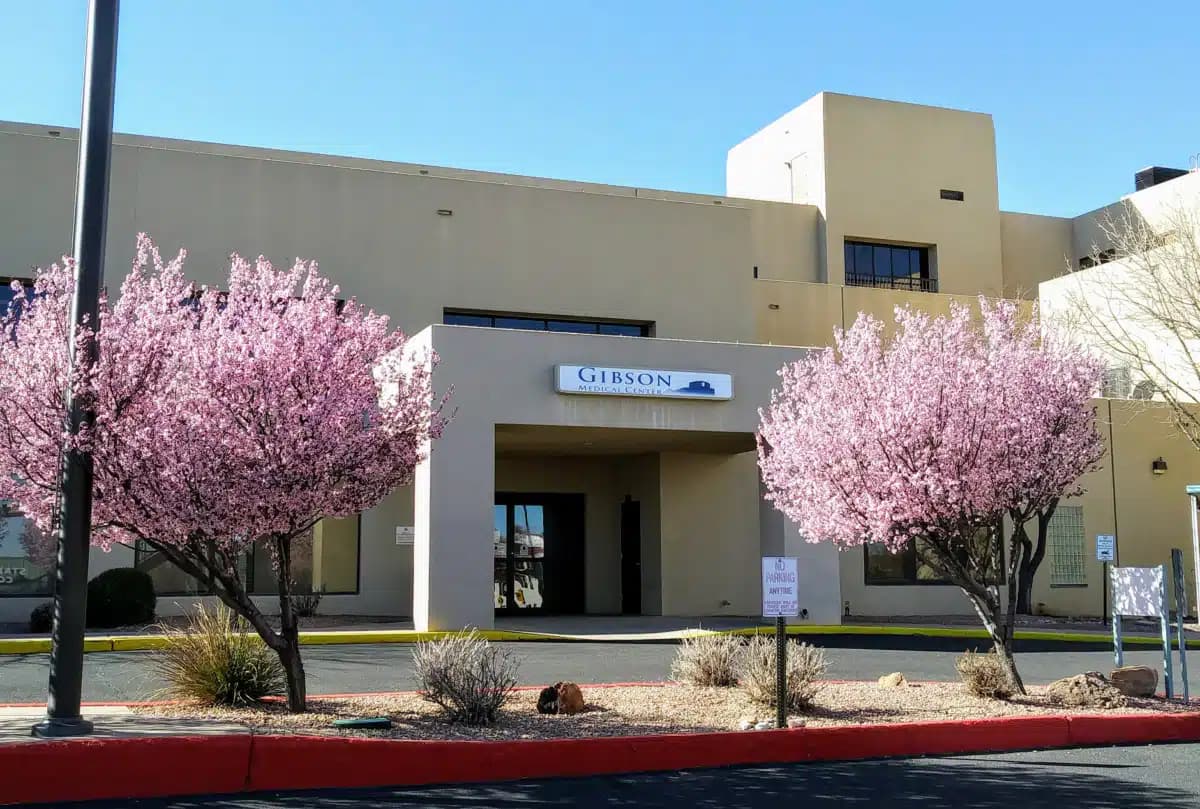
NM Department of Health
Bernalillo County Department of
Recovery House — Albuquerque, NM
Residential Treatment in Albuquerque: A Place to Rebuild
Inpatient rehab — often called residential treatment — means living at the facility full-time while you work through recovery. For many people searching for inpatient rehab in Albuquerque, it is the right level of care when home environments, triggers or the severity of addiction make outpatient treatment unrealistic. Albuquerque offers the largest selection of residential treatment programs in New Mexico, from hospital-affiliated units near the city center to quieter campus-style facilities on the outskirts, all sharing one goal: giving you enough time, structure and support for change to actually take hold.
What a Typical Day Looks Like
Structure is the point. Days in an Albuquerque residential program usually begin with breakfast and a morning check-in or meditation, followed by group therapy, individual counseling sessions, and educational workshops on topics like relapse prevention, coping skills and the science of addiction. Afternoons often include specialized groups — trauma therapy, family sessions, 12-step or SMART Recovery meetings — plus time for exercise, meals and reflection. Evenings wind down with community time before a set lights-out, rebuilding the healthy routines addiction eroded.
Therapies and Medical Support
Quality residential treatment in Albuquerque is built on evidence-based care: cognitive behavioral therapy (CBT), dialectical behavior therapy (DBT), motivational interviewing and trauma-informed counseling, delivered by licensed clinicians. Medical staff are on site or on call 24/7 to manage medications, monitor health and respond to crises. For opioid and alcohol dependence, many programs offer medication-assisted treatment with buprenorphine, naltrexone or acamprosate, and dual-diagnosis tracks address depression, anxiety and PTSD alongside the addiction itself.
Cost, Medicaid and Insurance
Paying for inpatient rehab in Albuquerque is more manageable than most people expect. New Mexico Medicaid (Centennial Care) covers residential addiction treatment at participating centers, and Medicare and major private insurers typically cover a medically necessary 28–30 day stay after authorization. Self-pay rates for a 30-day program generally fall between $5,000 and $30,000 depending on the facility, with sliding-scale and payment-plan options at some centers. Always ask for a free, confidential benefits check before deciding.
Who Benefits Most from Inpatient Care
Residential treatment is recommended when outpatient attempts have not held, when withdrawal risks require medical oversight, or when home life is unstable or full of triggers. It is also the stronger choice for people with co-occurring mental health conditions, polysubstance use, or a long history of heavy use — situations where a few weeks of full immersion outweigh months of weekly sessions. An admissions assessment at any Albuquerque facility can confirm whether inpatient care, or a lower level like IOP, fits your case.
How to Choose a Residential Program in Albuquerque
Compare programs on accreditation, staff credentials and whether they treat your specific substance and any co-occurring conditions. Ask about length-of-stay flexibility, family involvement, aftercare planning and how they handle a step-down to outpatient care — the handoff after discharge matters as much as the stay itself. Finally, verify insurance acceptance and bed availability early: the best residential treatment Albuquerque has to offer is the one you can actually enter while motivation is high.