
Intensive Outpatient Programs (IOP) in Albuquerque, NM
Searching for an IOP in Albuquerque? Intensive outpatient programs across the city deliver 9-19 hours of structured therapy each week through morning and evening groups, so you can keep working and living at home while you recover. Most programs accept New Mexico Medicaid (Centennial Care), Medicare and private insurance, with confidential benefits checks before you enroll.
Need Help Finding the Right Treatment Center?
Speak with a compassionate specialist now - 100% free & confidential
Showing 13 of 13 results

Icarus Behavioral Health — Albuquerque, NM

Sage Neuroscience Center
Turning Point Recovery Center Inc — 9201 Montgomery Boulevard, Albuquerque, NM

Streetwise Inc
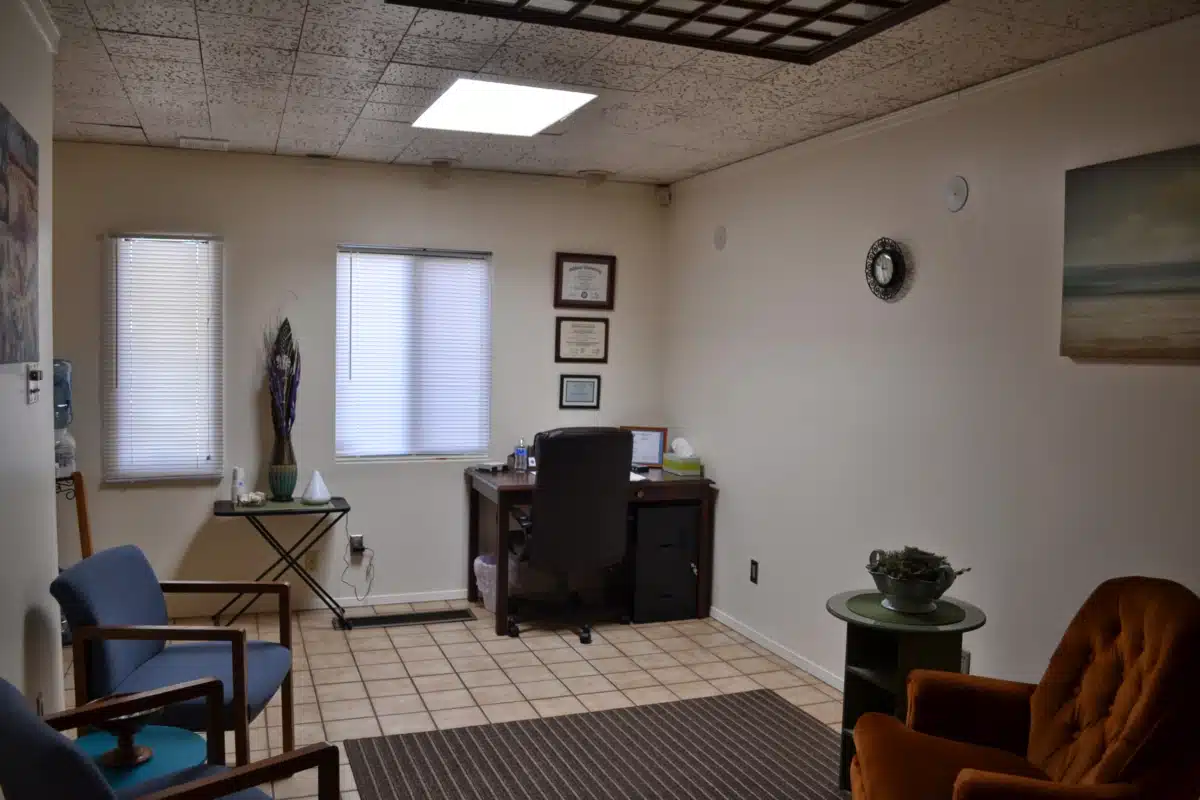
Perfectly Imperfect

Albuquerque Behavioral Health
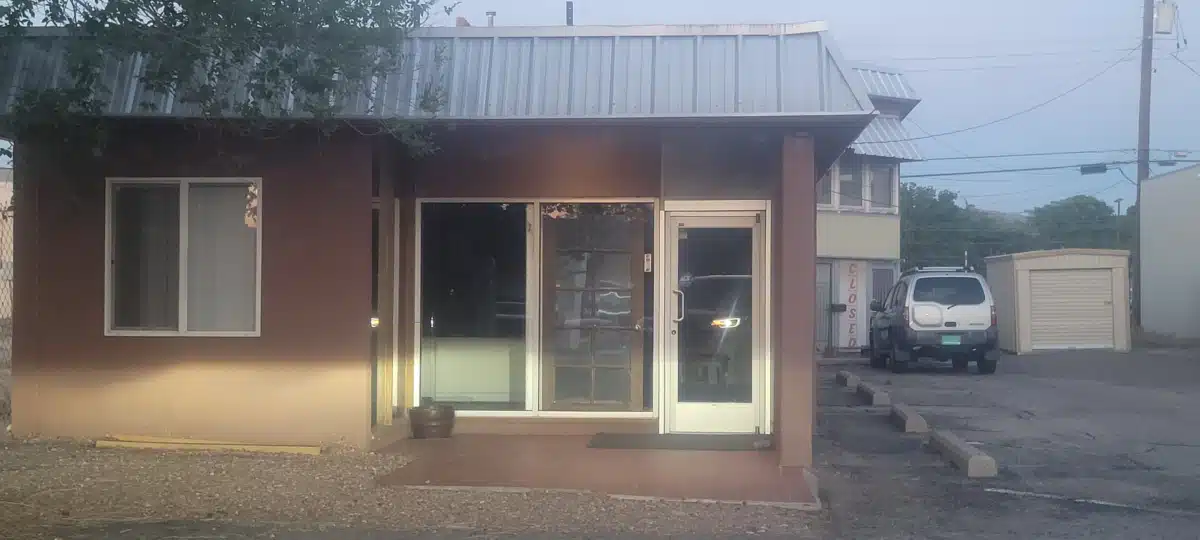
Dragonfly Counseling Associates
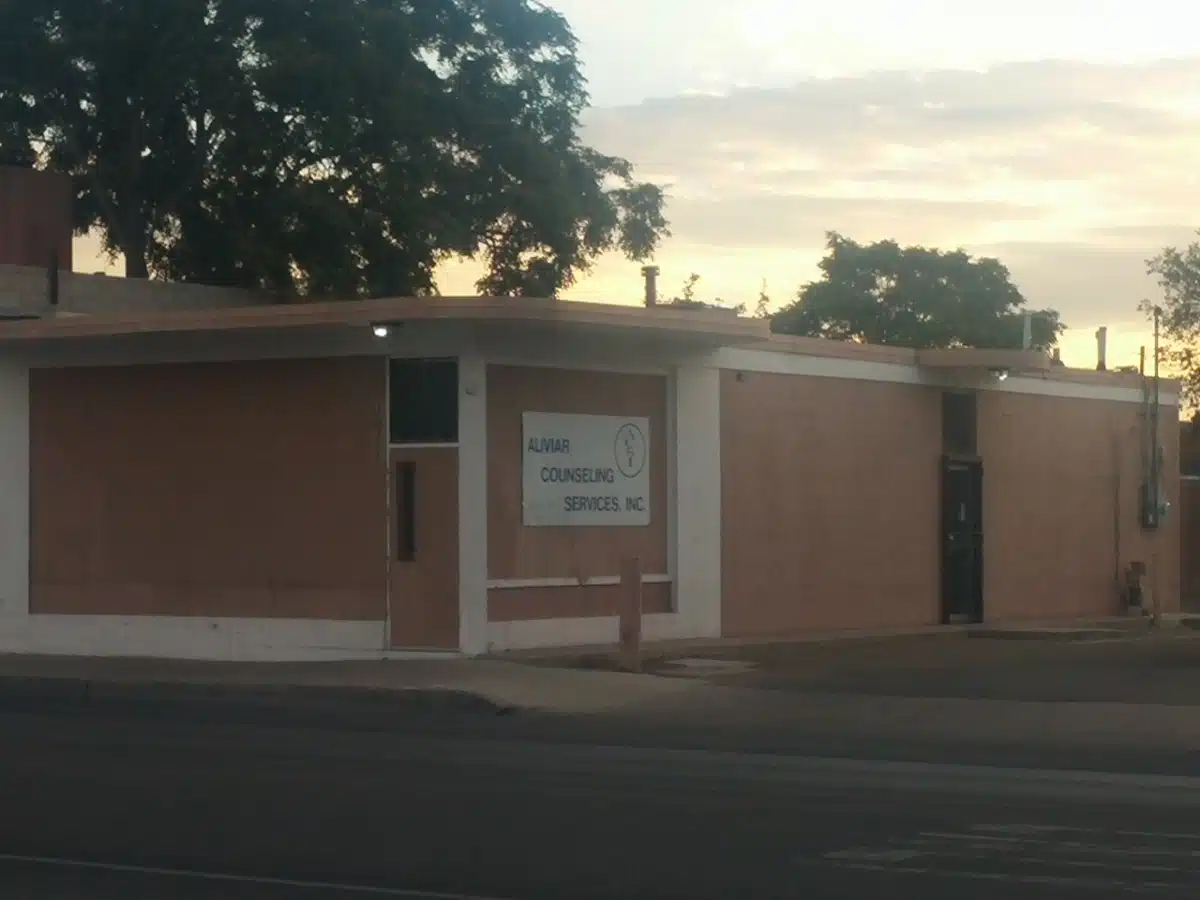
Aliviar Counseling Services Inc

Counseling World LLC
A New Awakening Rio Rancho
Susans Legacy
Tree Frog
Turning Point Recovery Center Inc — 3939 San Pedro Drive NE, Albuquerque, NM
Intensive Outpatient Treatment in Albuquerque: A Flexible Path to Recovery
An intensive outpatient program (IOP) sits between weekly counseling and residential rehab on the continuum of care. In Albuquerque, IOPs serve two groups of people: those stepping down from detox or inpatient treatment who still need structure, and those entering treatment for the first time whose jobs, families or finances make a 30-day residential stay impossible. With the city's largest concentration of licensed providers in New Mexico, Albuquerque offers IOP tracks for alcohol, opioid, stimulant and polysubstance use disorders, many with integrated mental health care for co-occurring conditions like depression, anxiety and PTSD.
What an IOP Actually Involves
A typical intensive outpatient program in Albuquerque delivers 9-19 hours of treatment per week, structured as three-hour group sessions on three to five days, plus a weekly individual therapy appointment. Groups cover relapse prevention, cognitive behavioral therapy, emotional regulation, family dynamics and life skills. Random drug and alcohol screening keeps participants accountable, and many programs include psychiatric evaluation and medication management — including medication-assisted treatment for opioid or alcohol use disorder — within the same schedule.
Morning and Evening Schedules for Working Adults
The defining advantage of IOP is that recovery does not require you to pause your life. Albuquerque programs commonly run evening groups from 6 to 9 PM for people with daytime jobs, and morning tracks for those on evening or overnight shifts — a practical fit for the city's healthcare, service and construction workforce. You sleep at home, keep your routines, and apply what you learn in therapy to real situations the same day, which clinicians often cite as a reason outpatient gains hold up well after discharge.
Cost, Medicaid and Insurance Coverage
New Mexico Medicaid (Centennial Care) covers intensive outpatient treatment, and most Albuquerque IOPs are in-network with at least one Centennial Care managed-care plan. Medicare and major private insurers — including Blue Cross Blue Shield of New Mexico, Presbyterian and UnitedHealthcare — are also widely accepted. Self-pay rates generally run a few hundred dollars per week, far below residential care. Ask each program to verify your benefits before enrollment and to clarify whether drug testing and psychiatric services are billed separately.
IOP as a Step-Down or a Starting Point
Clinically, IOP works in both directions. After detox or residential rehab, it provides a structured bridge back to daily life — the highest-risk window for relapse — with therapy several days a week instead of an abrupt return to no support. As an entry point, it suits people with stable housing and moderate substance use who do not need 24-hour supervision. Albuquerque assessment clinicians use standardized criteria to place you at the right level, and you can move up or down the continuum as your needs change.
How to Choose an IOP in Albuquerque
Start with the schedule: confirm the program actually offers group times you can attend consistently, because missed sessions are the main reason people leave IOP early. Then check accreditation, staff credentials and whether the program treats co-occurring mental health conditions if that applies to you. Ask about group size — smaller groups allow more individual attention — and about the step-down plan after completion. Finally, verify insurance acceptance in writing, including whether Centennial Care or your private plan covers the full episode of care.